
Airside Interface for Air Cargo Terminals
Reliable Handover of ULDs to the Apron
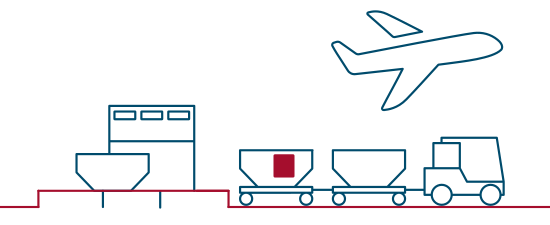
The airside interface is the link between the cargo terminal and the apron. Outbound ULDs must reach the aircraft on time, while inbound units need to be accepted quickly and safely. Accuracy, coordination and IATA-compliant handling are key to maintaining flight schedules. Lödige solutions enable seamless transfers in both directions, from manual handling to full automation.
The Airside Interface Process
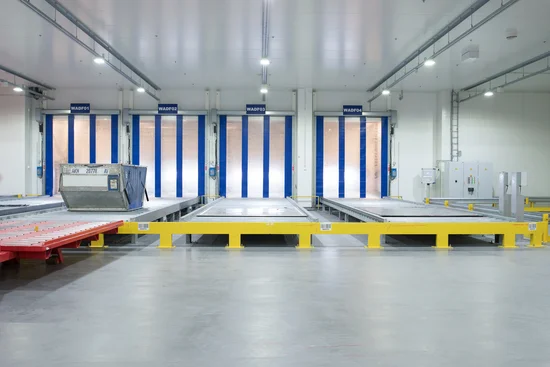
Outbound ULDs are assigned to their respective flights and released from the terminal to the dolly docks. Supported by integrated software, scanning and registration can be performed automatically to ensure precise timing and positioning. On inbound, ULDs arriving from the aircraft are received at the same docks, registered, and directed to breakdown or storage areas. Optional checks such as damage inspection or contour control can be seamlessly integrated into the process.
In the airside interface, we combine four core strengths: products, software, system planning and service. Together, they ensure seamless ULD transfers from dolly docks into the terminal and back – enabling operational efficiency, safety and on-time performance.
Benefits of of Lödige’s Airside Interface Solutions
Focused on operational workflows, our process solutions create tangible benefits by streamlining handling steps, reducing turnaround times and enabling smooth coordination across all air cargo terminal areas.
Flexible Automation for Airside Interfaces
From manual acceptance to fully integrated handover
Airside Interface systems can be implemented at different levels of automation – from manual pallet movement to fully automated ULD routing. This allows air cargo terminals to scale operations according to volume, space constraints, and investment priorities.
Fully automated
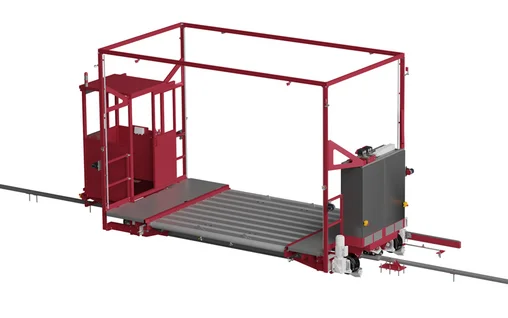
Fully automated systems ensure maximum throughput and process reliability – even during peak times or staff shortages. They are used in high-volume terminals with strict performance targets and space constraints. The system automatically plans and triggers all jobs, manages equipment communication and ensures full SLA compliance and data tracking. Functions include the interface between terminal and apron as well as automated handover to and from dollies.
Typical Equipment | Software Components |
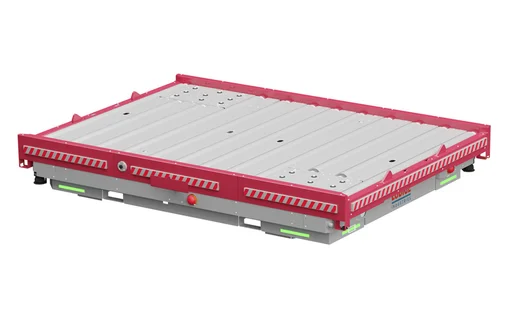
| • Automated dolly dock | Cargo Professional Suite (TMS) with Cargo Control and Cargo Direct Modules: • Airside Management • ULD Control System • Auto Airside Presentation |
Semi-automated and mobile
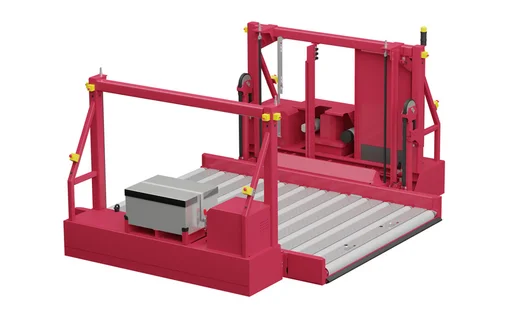
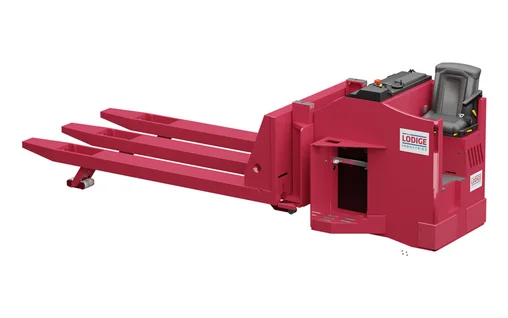
Semi-automated systems combine mobile and stationary equipment to streamline handling at the interface. Battery-powered Cargo Pallet Movers and FlexLoaders reduce manual effort while increasing process speed and safety. Functions include the interface between terminal and apron and semi-automated handover to and from dollies.
Typical Equipment | Software Components |
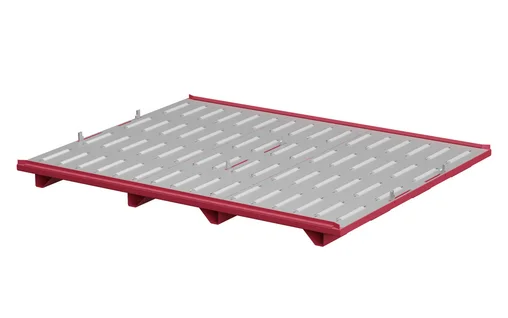
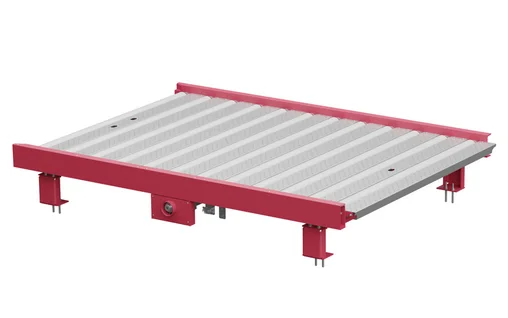
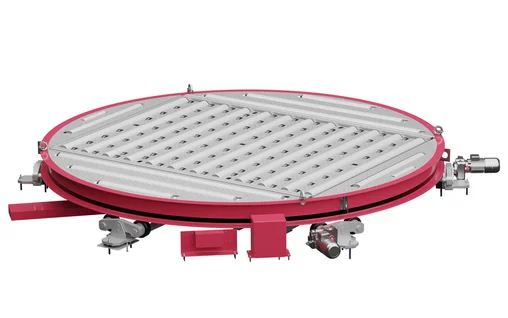
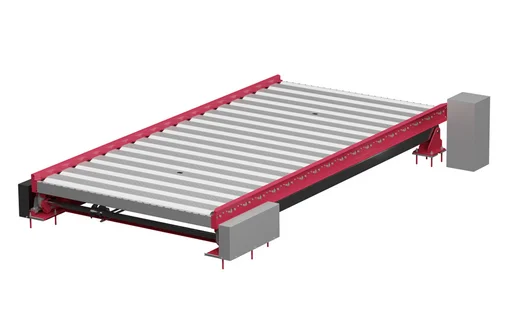
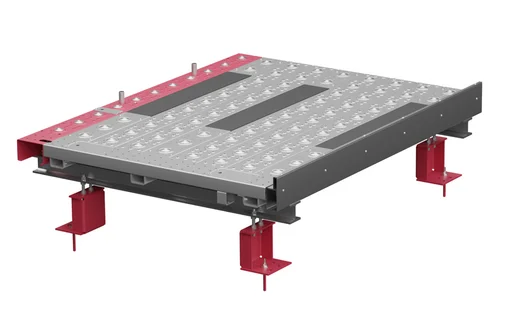
| • Turn Table (with Right Angle Deck) • Roller Deck • FlexLoader • Tilting Deck • ULD door recognition • ULD identification • Castor Deck with PDU • Ramp protection with powered roller | Cargo Professional Suite (TMS) with Cargo Control and Cargo Direct Modules: • Airside Management • ULD Control System • Terminal AWB Control • Auto Airside Presentation |
Manual & Operator-Driven Systems
Manual handling offers maximum flexibility and serves as a reliable baseline solution. ULDs are moved on support pallets and handled at defined interfaces with manually operated equipment. Functions include the interface between terminal and apron and manual handover to and from dollies.
Typical Equipment | Software Components |
|---|---|
| • Castor Deck • Ball Deck • Cargo Pallet Mover & ULD Support Pallet • FlexLoader | --- |
Discover Solutions for the Airside Interface
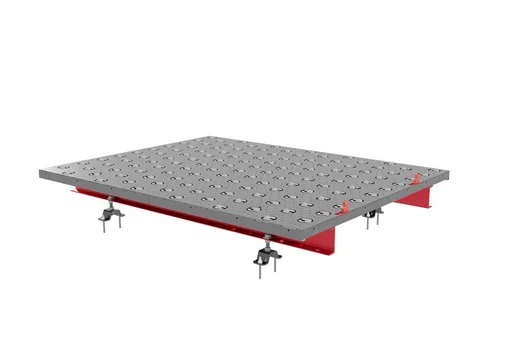
Explore equipment designed for seamless and safe transfer of ULDs between terminal processes and airside operations. These solutions ensure smooth handover, precise positioning and reliable transport—supporting efficient, high-throughput cargo flows at the airside interface.
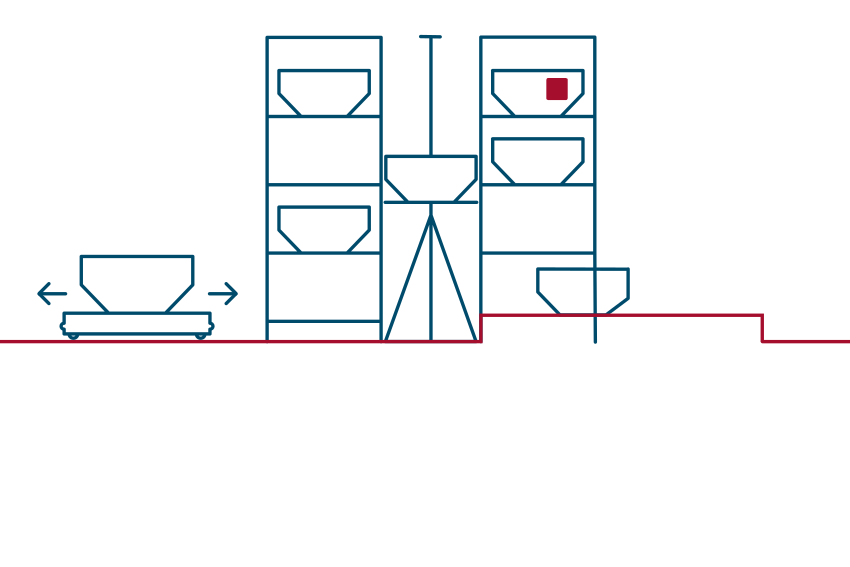
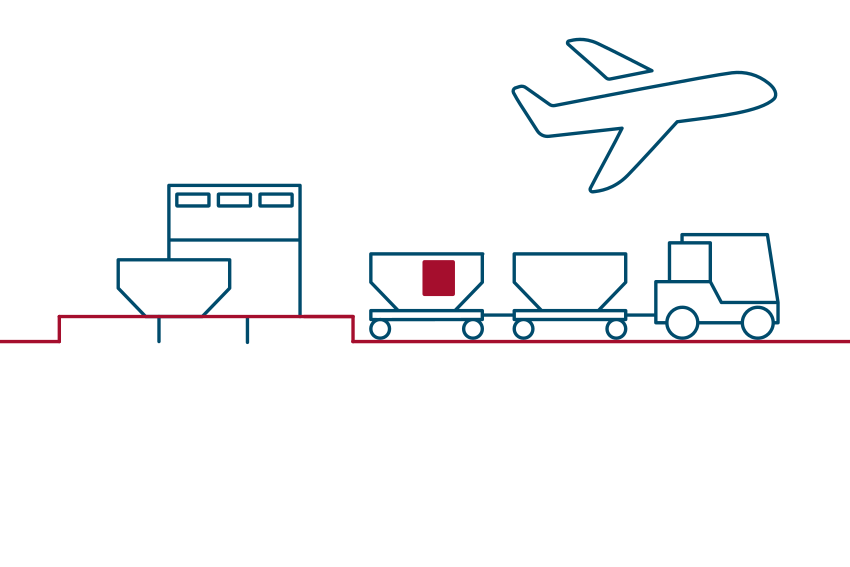
From Landside to Airside – Explore the Processes
Navigate through the key steps of air cargo handling and explore how our solutions support each process.
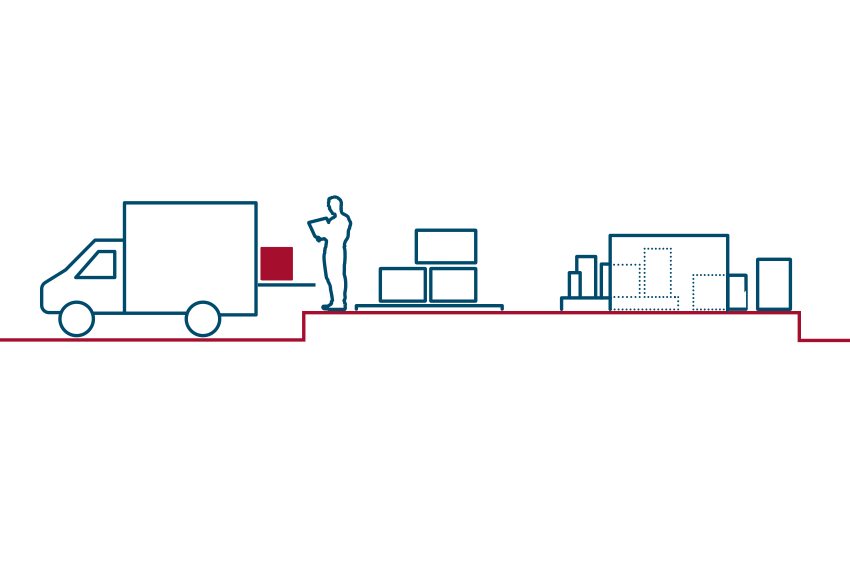
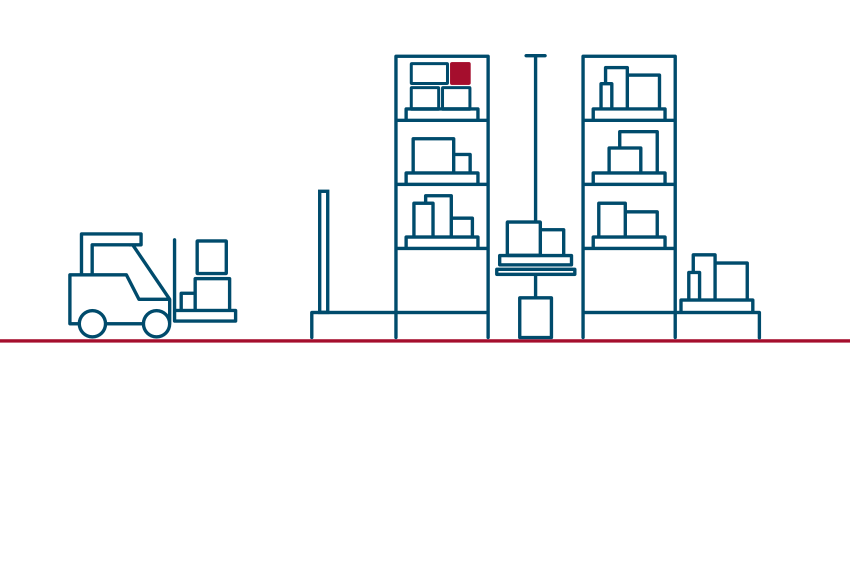
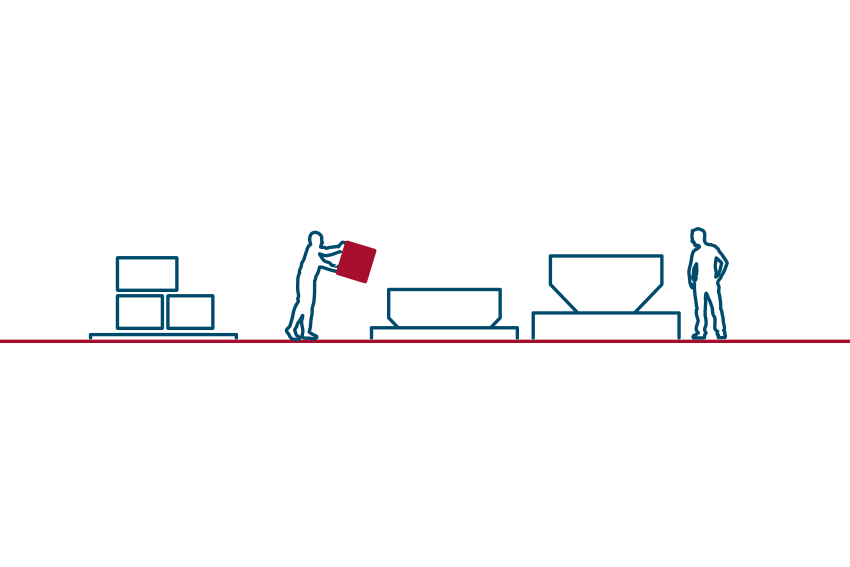
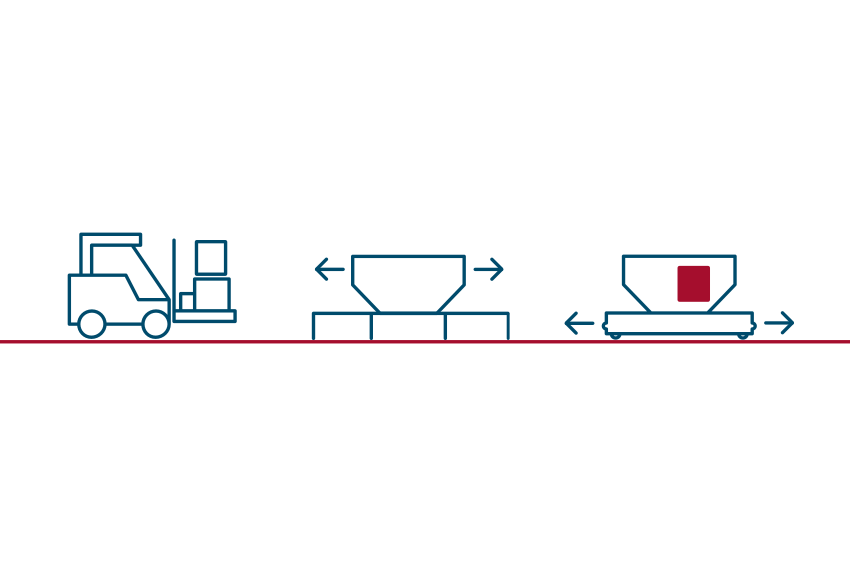
Planning or upgrading your airside process?
Our experts are here to help.
Frequently Asked Questions (FAQ)
The airside interface is the operational link between the terminal and the apron, where ULDs are transferred to or received from aircraft via dolly docks.
Outbound ULDs are assigned to their flights and transferred to the apron in the correct sequence, ensuring compliance with handling deadlines. When a Terminal Management System (TMS) is in place, the registration and matching of ULDs is handled automatically, so manual scanning is not required.
Depending on process logic, they are directed to breakdown workstations, buffer zones, or storage. If a Terminal Management System (TMS) is in place, registration happens automatically without the need for manual scanning.
Yes. Semi-automated and fully automated systems manage ULD identification, positioning, sequencing, and transfer timing with minimal manual input.
Absolutely. Flight information, time slots, and ULD planning data are integrated into the Terminal Management System to ensure timely and accurate handover.
Every ULD is scanned and registered on handover, enabling full traceability for outbound and inbound flows within the TMS.
Common equipment includes dolly docks, powered roller decks, ULD scanners, contour sensors, and software-based flight handling logic.
Integrated software adjusts the sequence and assignment of ULDs dynamically based on real-time flight updates and apron feedback.
Yes. All Lödige systems follow IATA AHM and ULD handling standards to ensure compatibility and safety.
Yes. Lödige offers tailored solutions for new and existing terminals, including modular upgrades and phased automation concepts.